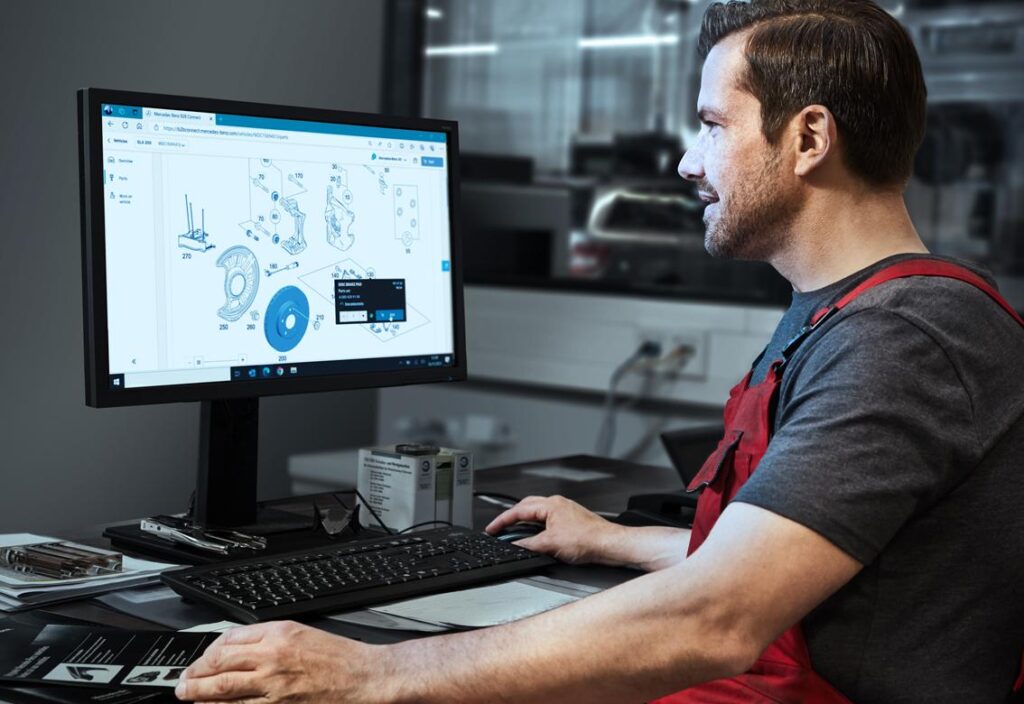
Finding the correct replacement auto part can be challenging, particularly when a vehicle has multiple engine options, trim levels, or model-year variations. A component that looks identical to another part may have different dimensions, connectors, mounting points, or operating specifications.
Whether you own a Toyota RAV4, Nissan, Mercedes-Benz, Cadillac, Ford F-150, or Chevrolet Silverado, checking compatibility before purchasing can help you avoid unnecessary returns, installation problems, and delays.
Here is a practical guide to identifying the right replacement part.
Begin with the basic details of your vehicle:
Make: The manufacturer, such as Toyota, Ford, Nissan, or Mercedes-Benz.
Model: The vehicle name, such as RAV4, F-150, or Silverado.
Model year: The year associated with the vehicle’s model.
Engine: The engine size, type, and configuration.
Trim level: The specific version of the vehicle.
Drivetrain: Where relevant, whether the vehicle uses front-wheel drive, rear-wheel drive, or all-wheel/four-wheel drive.
These details help narrow down the available replacement parts.
For example, not every Ford F-150 uses the same engine or component configuration across all model years. Likewise, Toyota RAV4 parts can vary by generation, powertrain, and trim.
The Vehicle Identification Number, commonly called the VIN, is a unique identifier for your vehicle. It can help a parts supplier determine the correct model details and compatible components.
You can usually find the VIN on the driver’s-side dashboard near the windshield, on a label inside the driver’s door area, or in your vehicle registration documents.
Provide the VIN to a qualified parts supplier when requesting compatibility assistance. For some parts, the VIN may not be sufficient on its own, so additional information may be needed.
Share vehicle information only with a supplier you trust.
If you are replacing an existing component, look for the original part number printed, stamped, or labelled on the part.
A verified part number is often one of the most useful ways to identify a replacement. However, part numbers can be superseded by newer numbers or replaced by compatible alternatives.
Before ordering, ask the supplier to confirm whether the listed replacement corresponds to the original number and your vehicle application.
Do not assume that two parts are interchangeable simply because their numbers look similar.
Once you have identified the required component, you may have a choice between OEM and aftermarket products.
OEM replacement parts are associated with the vehicle’s original manufacturer or its suppliers and are intended to meet the relevant specifications.
Aftermarket replacement parts are produced by independent manufacturers. Their quality, price, warranty, and fitment can differ from one brand to another.
When comparing products, look beyond price. Review the manufacturer’s reputation, technical specifications, compatibility information, warranty conditions, and seller support.
A well-specified aftermarket part may be suitable for your needs, but it should be verified for the exact application.
Two components may look alike but differ in important ways.
Depending on the part, check:
Overall dimensions and mounting points.
Electrical connectors and wiring requirements.
Engine or drivetrain compatibility.
Material and construction specifications.
Required operating ratings.
Included hardware and installation requirements.
This is especially important for electronic sensors, engine components, brake parts, suspension assemblies, and other components that depend on precise specifications.
If you are unsure, ask a qualified mechanic or parts supplier to confirm the fitment before purchasing.
The seller plays an important role in the buying process. A reliable supplier should provide clear product descriptions, useful compatibility information, transparent pricing, and accessible customer support.
Before placing an order, review:
Product details and part numbers.
Compatibility information for your vehicle.
Shipping costs and estimated delivery times.
Return and exchange conditions.
Warranty information.
Customer support contact details.
Available payment and order-tracking options.
Be cautious of listings that provide little technical information or make broad claims without explaining which vehicles the part fits.
If you are purchasing parts internationally, consider delivery estimates, shipping costs, customs requirements, and return procedures.
Large, heavy, or specialized automotive components may have different shipping conditions from smaller items. International deliveries can also be affected by customs clearance and local import regulations.
Read the seller’s policies before completing your purchase. If the component is expensive or difficult to return, confirm compatibility in advance.
Some components can be identified and replaced by experienced vehicle owners, while others require specialist tools, diagnostic equipment, or professional installation.
Seek qualified assistance when dealing with safety-critical systems, complex electrical components, advanced engine systems, or parts that require calibration.
For safety-related replacements, make sure the component meets the vehicle manufacturer’s requirements and is installed according to the appropriate procedures.
The following mistakes can lead to wasted time and money:
Ordering based only on the vehicle’s make and model.
Ignoring the engine or model-year differences.
Assuming all aftermarket brands offer the same quality.
Choosing the cheapest product without checking its specifications.
Ignoring warranty and return conditions.
Failing to verify international shipping restrictions.
Installing a part before confirming that it is correct.
Taking a few minutes to verify the details can make the purchasing process much smoother.
At EliteSpare Partz, our focus is on helping customers worldwide source OEM and aftermarket automotive parts for vehicles including Ford F-150, Toyota RAV4, Chevrolet Silverado, Nissan, Mercedes-Benz, and Cadillac.
Whether you are carrying out routine maintenance or looking for a specific replacement component, accurate vehicle information is the starting point for finding the right part.
Looking for a particular auto part? Browse our available products or contact our team with your vehicle’s make, model, year, engine details, and part number if available. These details can help us assist you in identifying a suitable option.